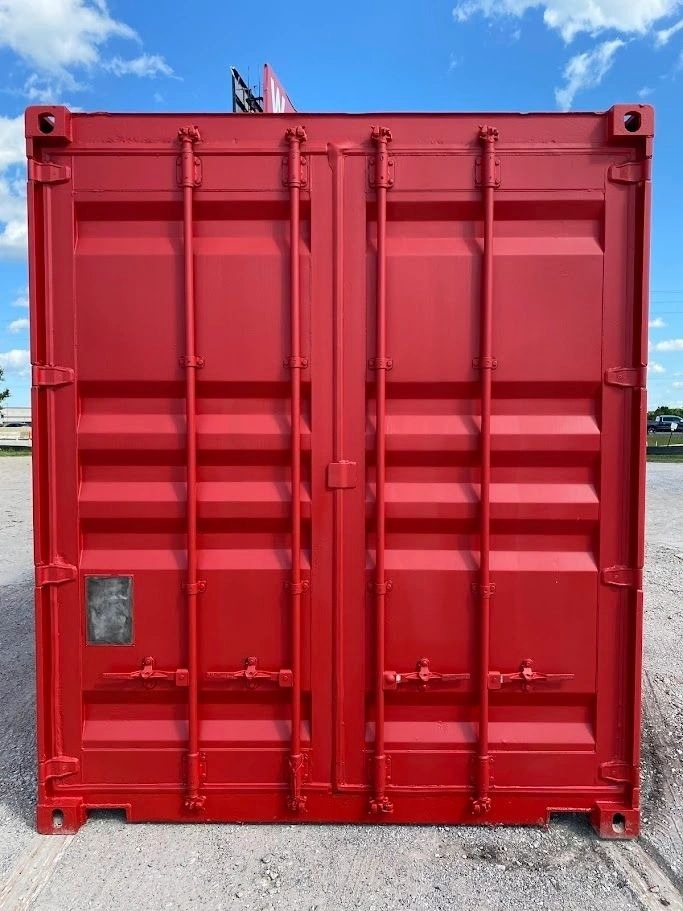
Understanding Container Dimensions: A Comprehensive Guide
Worldwide of shipping and logistics, container dimensions play an important function in figuring out how products are transported around the world. With a myriad of container types available, including standard shipping containers, specialized containers, and even tailor-made alternatives, it is vital for transport and logistics specialists to comprehend these dimensions. This extensive guide will provide an introduction of the most typical container types, their dimensions, and crucial aspects to think about when selecting a container for shipping goods.
Summary of Container Types
Before diving into specific dimensions, it's essential to comprehend the different types of containers offered in the shipping industry:
- Standard Containers: These are the most typical shipping containers, used for a vast array of goods.
- Reefer Containers: Refrigerated containers created for perishable goods like fruits and vegetables.
- Open Top Containers: Designed for large cargo that can not fit in basic containers, frequently covered with a tarpaulin.
- Flat Rack Containers: Ideal for heavy machinery and devices, these containers have no sides or roof.
- Tank Containers: Used to transfer liquids, chemicals, and gases.
The dimensions of these containers can considerably impact shipping costs, packing and discharging times, and the general efficiency of the logistics process.
Requirement Container Dimensions
The following table sums up the typical dimensions for standard shipping containers:
| Container Type | Length (ft) | Width (ft) | Height (ft) | Tare Weight (pounds) | Maximum Weight (pounds) | Volume (cu ft) |
|---|---|---|---|---|---|---|
| 20 ft Standard | 20.0 | 8.0 | 8.5 | 4,800 | 48,000 | 1,170 |
| 40 ft Standard | 40.0 | 8.0 | 8.5 | 8,000 | 67,200 | 2,390 |
| 40 ft High Cube | 40.0 | 8.0 | 9.5 | 8,400 | 67,200 | 2,694 |
| 45 ft High Cube | 45.0 | 8.0 | 9.5 | 8,800 | 67,200 | 3,040 |
Key Features of Standard Containers
- Sturdiness: Built to withstand extreme weather and heavy handling.
- Stackability: Standardized dimensions allow stacking, making the most of space.
- Security: Designed with locking systems to safeguard contents.
Reefer Container Dimensions
Reefer containers are essential for carrying disposable goods. Their dimensions generally align with standard container sizes:
| Container Type | Length (ft) | Width (ft) | Height (ft) | Tare Weight (lbs) | Maximum Weight (lbs) | Volume (cu ft) |
|---|---|---|---|---|---|---|
| 20 ft Reefer | 20.0 | 8.0 | 8.5 | 5,500 | 44,000 | 1,170 |
| 40 ft Reefer | 40.0 | 8.0 | 8.5 | 9,500 | 66,139 | 2,390 |
| 40 ft High Cube Reefer | 40.0 | 8.0 | 9.5 | 9,600 | 66,139 | 2,694 |
Key Features of Reefer Containers
- Temperature Control: Equipped with refrigeration systems to preserve temperatures.
- Humidity Control: Helps maintain the quality of sensitive goods.
- Double Functionality: Some systems can also be used for normal dry cargo when not required for refrigeration.
Specialty Container Dimensions
Specialized containers deal with specific types of cargo, and their dimensions can differ. Below are a few examples:
| Container Type | Length (ft) | Width (ft) | Height (ft) | Tare Weight (pounds) | Maximum Weight (lbs) | Volume (cu ft) |
|---|---|---|---|---|---|---|
| 20 ft Open Top | 20.0 | 8.0 | 8.5 | 4,200 | 48,000 | 1,170 |
| 40 ft Open Top | 40.0 | 8.0 | 8.5 | 7,880 | 67,200 | 2,390 |
| 20 ft Flat Rack | 20.0 | 8.0 | 8.0 | 4,100 | 48,000 | 1,170 |
| 40 ft Flat Rack | 40.0 | 8.0 | 8.0 | 8,500 | 67,200 | 2,390 |
| 20 ft Tank Container | 20.0 | 8.0 | 8.0 | 4,000 | 26,000 | Differs |
Key Features of Specialty Containers
- Tailored Designs: Designed particularly to fit the cargo type.
- Flexibility: Open tops and flat racks accommodate oversized and irregularly shaped goods.
- Safety Features: Tanks and flat racks frequently come equipped with safety systems for dangerous products.
Regularly Asked Questions (FAQs)
1. What is the optimum weight a standard 40 ft container can bring?The optimum weight for a standard 40 ft container is typically around 67,200 lbs.
2. What is the difference between a high cube and a standard container?The primary difference is height. High cube containers are one foot taller than standard containers, offering extra cargo area.
3. Can I save non-perishable goods in Reefer containers?Yes, while reefer containers are developed for disposable items, they can likewise be used for non-perishable goods that need to be kept at a specific temperature.
4. What factors influence the choice of container dimension?The option depends on the type of cargo, weight restrictions, shipping routes, and specific handling requirements.
5. 45ft Container For Sale than basic containers?Not always. While specialty containers can be more pricey in certain circumstances, the increased efficiency and cargo security may offset the expense.
Understanding container dimensions is vital for optimizing shipping operations. With the varied types of containers readily available, logistics specialists can select the most suitable options for their cargo, ensuring safe and efficient transportation. Whether it be basic, reefer, specialty, or other container types, understanding their dimensions and features enables much better decision-making within the shipping market. For those associated with logistics, keeping abreast of container specifications will continue to be a crucial element of success in a hectic international market.